Introduction to sustainable building materials
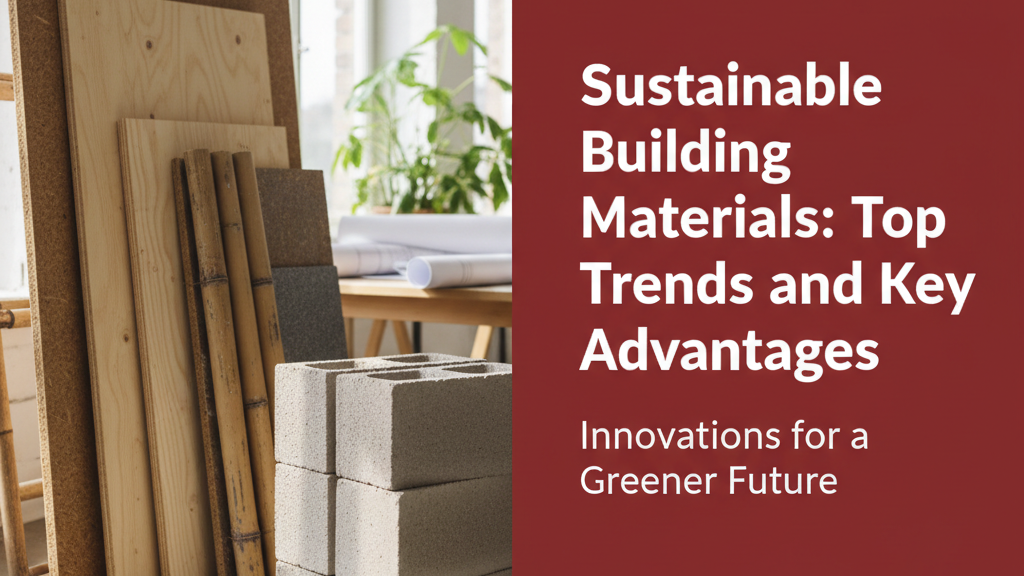
The construction industry is undergoing a quiet revolution as architects, builders and homeowners increasingly prioritise sustainable building materials. These eco-friendly alternatives to conventional construction components offer reduced environmental impact without compromising structural integrity or longevity. In India’s varied climate conditions—from humid coastal regions to dusty plains—material selection plays a crucial role in balancing sustainability with practical performance.
Current trends in sustainable construction
Several key developments are shaping how Indian projects incorporate green building principles:
- Closed-loop material cycles: Growing use of recycled content in HDPE pipes and uPVC products that can themselves be recycled at end-of-life
- Passive design integration: uPVC window systems with multi-chamber profiles improving thermal efficiency by 15-25% compared to single-pane aluminium
- Localised manufacturing: Reduced transport emissions through regional production hubs like Siliguri-based facilities
- Water conservation: Rainwater harvesting systems using corrosion-resistant polymer tanks and piping
Popular eco-friendly building materials
Modern Indian construction increasingly relies on these sustainable alternatives:
| Material | Key Properties | Typical Applications |
|---|---|---|
| HDPE piping | Chemical-resistant, 50+ year lifespan, recyclable | Underground drainage, water supply |
| uPVC profiles | Thermal insulation, low maintenance, BIS-certified | Windows, doors, electrical conduits |
| Fly ash blends | 30-50% cement replacement, reduces embodied carbon | Wall putty, concrete mixes |
Benefits of using sustainable materials
Environmental advantages
Green building materials typically demonstrate:
- Lower embodied energy during manufacturing (HDPE pipes require 30% less energy than metal alternatives)
- Reduced site waste through precision-engineered components
- Minimal VOC emissions compared to traditional paints and sealants
Cost-effectiveness over time
While initial costs may be marginally higher, lifecycle savings emerge through:
- Reduced maintenance (uPVC windows avoid repainting and rust treatment)
- Longer service life (HDPE pipes outlast metal counterparts in corrosive soils)
- Energy savings (thermal-efficient materials lower HVAC loads)
Improved energy efficiency
Proper material selection can yield measurable performance gains:
- Multi-chamber uPVC window frames reduce heat transfer by 18-22% versus aluminium
- Light-coloured water tanks reflect solar radiation, maintaining cooler stored water
- Insulated piping minimises thermal losses in hot water systems
Challenges and considerations
Adopting sustainable materials requires careful planning:
- Installation expertise: Butt fusion joining of HDPE pipes demands trained technicians
- Regional availability: Some green materials have limited distribution networks
- Performance verification: Always check for ISI/BIS marks on polymer products
The most sustainable material is the one that performs its function for the longest duration with minimal maintenance—durability is green.
Future outlook for green building
Emerging developments suggest several trajectories:
- Advanced polymer formulations with higher recycled content
- Integration of solar-responsive materials in building envelopes
- Standardised lifecycle assessment protocols for Indian conditions
- Growth of modular construction using precision-engineered components
Conclusion: Building a greener future
The shift toward sustainable building materials represents more than environmental responsibility—it’s a practical approach to creating structures that perform better, last longer, and cost less to maintain. As manufacturing processes evolve and awareness grows, eco-friendly construction will likely become the default rather than the exception in Indian building projects.