Introduction to HDPE and uPVC
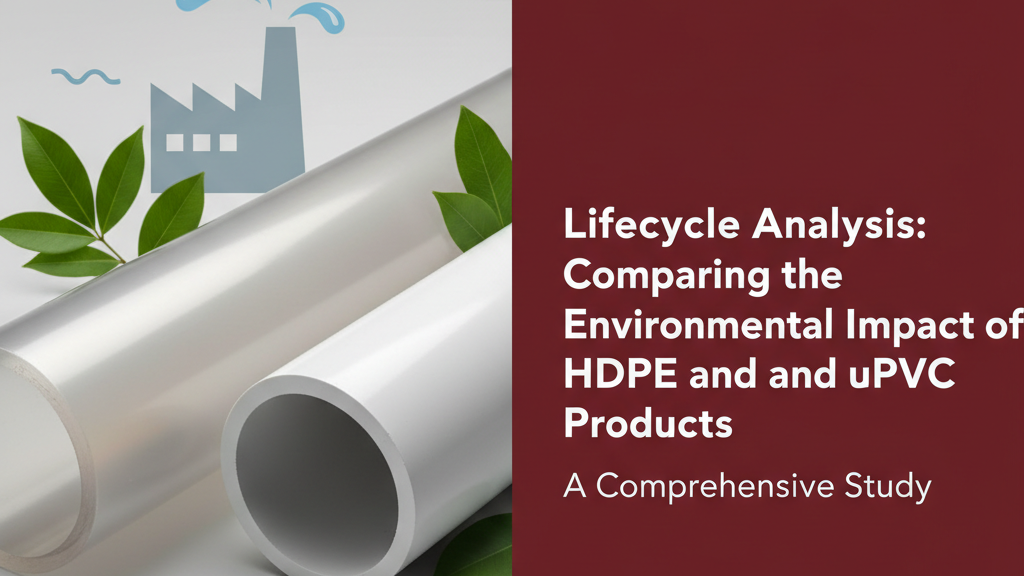
High-density polyethylene (HDPE) and unplasticised polyvinyl chloride (uPVC) are two widely used thermoplastics in Indian construction and plumbing. HDPE pipes dominate water supply systems due to their flexibility and chemical resistance, while uPVC finds extensive use in window profiles and pressure pipes for its rigidity and thermal performance. Both materials offer durability in India’s varied climatic conditions, but their environmental footprints differ significantly across production, usage and disposal phases.
What is Lifecycle Analysis?
Lifecycle analysis (LCA) systematically evaluates environmental impacts from raw material extraction through manufacturing, transportation, installation, operation and end-of-life disposal. For building materials, key metrics include:
- Embodied energy: Total energy consumed during production (typically 80-100 MJ/kg for plastics)
- Carbon footprint: Greenhouse gas emissions across the value chain
- Resource depletion: Non-renewable material consumption
- Recyclability: Potential for material recovery post-use
Indian standards like IS 14534 (for PVC pipes) and IS 4984 (for HDPE pipes) govern product quality but don’t mandate lifecycle disclosures, making independent analysis essential.
Environmental Impact of HDPE Products
Production Phase
HDPE derives from petroleum/natural gas through polymerisation at 70-300°C. Key environmental considerations:
- 1 kg HDPE requires ~1.75 kg crude oil equivalent
- Emits 1.6-2.5 kg CO₂ per kg produced (lower than uPVC)
- Contains no chlorine or heavy metal stabilisers
Usage Phase
HDPE’s environmental advantages manifest during service life:
- 50-100 year lifespan in buried applications
- Resists biofilm formation, maintaining water quality
- Leak-free joints reduce water loss (critical in Indian cities with 30-40% distribution losses)
Disposal Phase
HDPE offers multiple recovery pathways:
- Mechanical recycling (flakes/pellets for non-pressure applications)
- Energy recovery through incineration (higher calorific value than uPVC)
- Slow degradation in landfills (500+ years)
Environmental Impact of uPVC Products
Production Phase
uPVC combines chlorine (57% by weight) from salt electrolysis with ethylene:
- 1 kg uPVC requires ~1.3 kg fossil fuels + 0.85 kg salt
- Emits 2.0-3.0 kg CO₂ per kg produced
- Historically used lead stabilisers (now phased out under EU RoHS)
Usage Phase
uPVC’s environmental performance during service includes:
- 30-50 year lifespan for windows exposed to UV
- Excellent thermal insulation (U-values ~2.8 W/m²K for multi-chamber profiles)
- No maintenance requirements versus wood (saves paint/varnish chemicals)
Disposal Phase
uPVC recycling presents challenges:
- Mechanical recycling possible but limited to 3-7 cycles
- Chlorine content complicates incineration (dioxin risk below 850°C)
- Landfill persistence similar to HDPE
Comparing HDPE and uPVC Sustainability
| Parameter | HDPE | uPVC |
|---|---|---|
| Primary raw material | Fossil fuels | Fossil fuels + salt |
| Production CO₂ (kg/kg) | 1.6-2.5 | 2.0-3.0 |
| Recyclability | High (5-10 cycles) | Moderate (3-7 cycles) |
| End-of-life options | Recycling, incineration | Recycling (limited), landfill |
| Indian recycling infrastructure | Developing | Nascent |
Key Takeaways and Recommendations
- For water systems: HDPE’s lower carbon footprint and jointing efficiency make it preferable where leak prevention is critical
- For fenestration: uPVC’s thermal performance offsets higher production impacts in India’s cooling-dominated climates
- Waste management: Both materials require improved collection systems – prefer manufacturers with take-back programmes
- Certifications: Look for ISO 14040-compliant LCAs and GreenPro/IGBC-approved products
Material choice should consider application-specific factors – HDPE outperforms in buried infrastructure, while uPVC excels in energy-saving building envelopes. Both benefit from India’s growing organised recycling sector.