
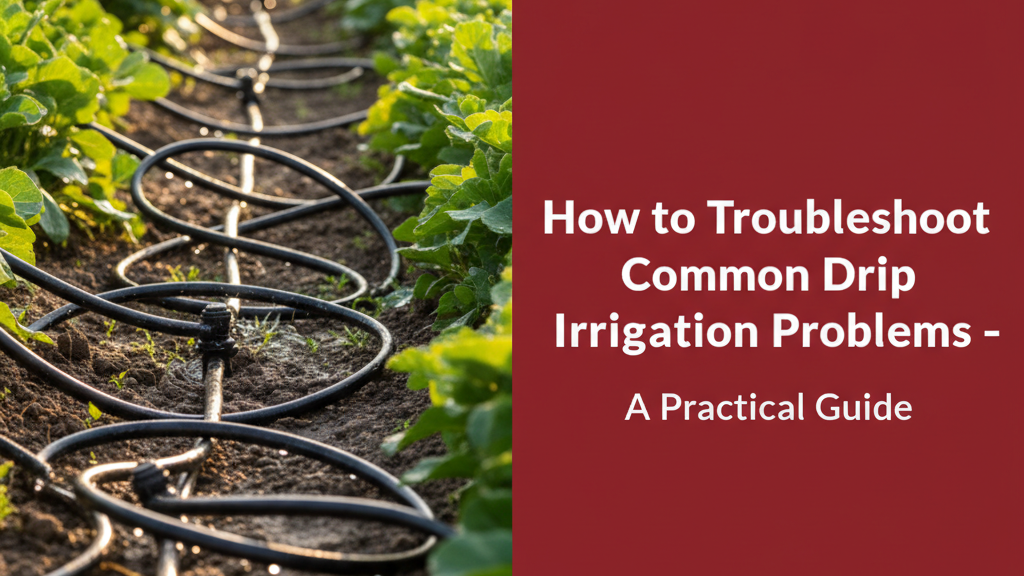
Introduction to Drip Irrigation Issues
Drip irrigation is one of the most efficient ways to water gardens and agricultural fields, delivering water directly to plant roots while minimising waste. However, like any system, it can develop problems that reduce its effectiveness. Understanding how to troubleshoot common issues will help maintain optimal performance and prolong the system’s lifespan.
Identifying Common Drip Irrigation Problems
Several issues can affect drip irrigation systems, including low water pressure, clogged emitters, leaking lines, and uneven water distribution. Recognising these problems early allows for quick fixes before they compromise plant health or water efficiency.
Low Water Pressure in Drip Systems
Low pressure can hinder water delivery, leaving plants dehydrated even when the system is running.
Causes of Low Pressure
- Insufficient water supply – Check if the main water source or pump provides adequate flow.
- Faulty pressure regulator – A malfunctioning regulator can restrict water flow.
- Blocked filters or pipes – Debris accumulation reduces pressure.
- Long or complex tubing layouts – Excessively long lines create pressure loss.
Solutions for Low Pressure
- Ensure the water source meets the system’s demand (litres per minute).
- Inspect and clean filters regularly to prevent blockages.
- Divide large systems into zones to maintain consistent pressure.
- Replace damaged or worn-out pressure regulators.
Clogged Drip Emitters
Clogged emitters disrupt water flow, leading to dry spots in your garden.
Preventing Emitter Clogs
- Use a mesh filter (100–150 microns) to trap sediment.
- Install a flush valve to periodically clean out debris from lines.
- For hard water, consider acid treatments to dissolve mineral deposits.
Cleaning Clogged Emitters
- Remove and soak emitters in a vinegar or citric acid solution.
- Use a fine pin or brush to clear stubborn blockages.
- Replace severely clogged emitters if cleaning fails.
Leaking or Broken Drip Lines
Leaks waste water and reduce system efficiency.
Locating Leaks
- Look for soft, muddy patches or unusually green patches along the tubing.
- Listen for hissing sounds indicating a puncture.
- Inspect connections and joints for loose fittings.
Repairing Drip Line Damage
- Cut out damaged tubing sections and reconnect using compression fittings.
- Seal small punctures with waterproof tape as a temporary fix.
- Ensure all connections are tight and properly secured.
Uneven Water Distribution
Some plants may receive too much water while others get too little.
Causes of Uneven Watering
- Variations in pressure across different zones.
- Incorrect emitter spacing or mismatched flow rates.
- Sloped terrain causing water to pool at lower elevations.
Fixing Distribution Issues
- Use pressure-compensating emitters to maintain uniform flow.
- Adjust emitter spacing to match plant water requirements.
- Install check valves on slopes to prevent water draining from higher lines.
Seasonal Maintenance Tips
Regular upkeep prevents major issues:
- Pre-monsoon: Check for leaks and reinforce loose connections.
- Post-monsoon: Flush the system to remove sediment buildup.
- Winter: Drain the system to prevent freezing damage in colder regions.
Conclusion and Preventative Measures
A well-maintained drip irrigation system ensures efficient water use and healthy plants. Regularly inspect components, clean filters, and address minor issues promptly to avoid costly repairs. Proactive maintenance, combined with proper installation practices, will maximise the system’s longevity and performance.