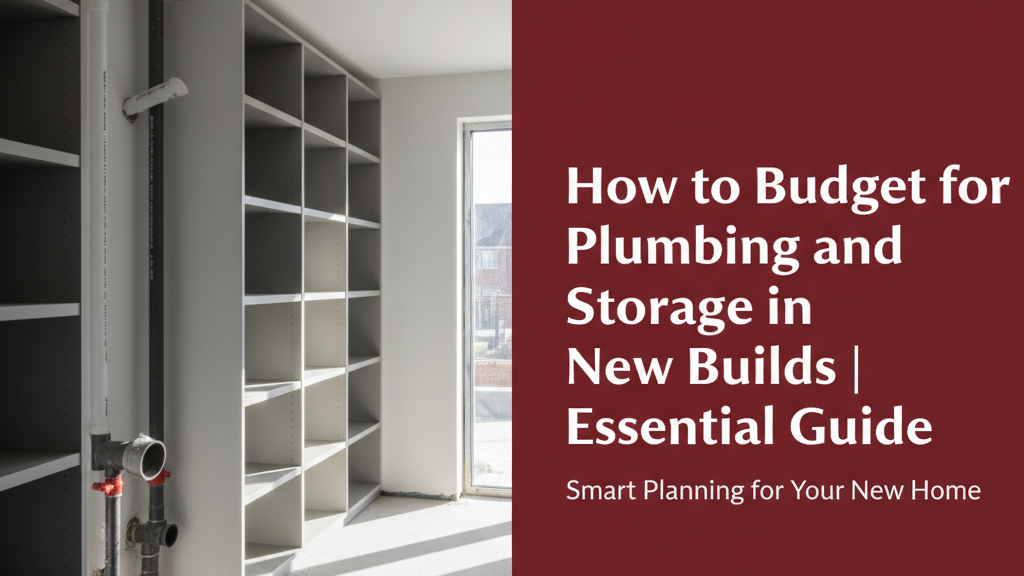
Introduction to Plumbing and Storage Budgeting
Constructing a new home involves balancing multiple priorities, with plumbing and storage being two critical yet often underestimated elements. Proper budgeting for these components ensures functionality, longevity, and cost-efficiency throughout the building’s lifespan. This guide examines practical approaches to allocating funds wisely while selecting materials and designs suited to Indian conditions.
Key Factors Affecting Plumbing Costs
Plumbing expenses in new builds vary based on several interdependent factors:
- Pipe material selection: HDPE, uPVC, CPVC, or metal pipes each have distinct price points and lifespans under Indian humidity and temperature fluctuations.
- Fixture quality: Budget-grade taps may cost 40-60% less than premium water-saving models but often require replacement within 5-7 years.
- Water pressure requirements: Multi-storey buildings need thicker-walled pipes and reinforced joints, increasing material costs by approximately 15-25%.
- Soil conditions: Rocky or clay-heavy terrain may necessitate specialised excavation techniques for underground drainage lines.
Material Choices and Their Impact
Selecting appropriate materials influences both upfront costs and long-term maintenance:
| Material | Cost Range (per metre) | Typical Lifespan | Best For |
|---|---|---|---|
| uPVC Pipes | ₹80-₹150 | 25-35 years | Drainage, cold water supply |
| HDPE Pipes | ₹120-₹200 | 30-50 years | Underground lines, high-pressure systems |
| CPVC Pipes | ₹150-₹250 | 20-30 years | Hot water distribution |
Note: Prices vary by diameter and pressure rating; always verify ISI/BIS markings for quality assurance.
Labour Costs and Contractor Fees
Skilled plumbers typically charge ₹250-₹450 per hour in most Indian cities, with total installation costs representing 30-45% of the plumbing budget. To optimise spending:
- Consolidate pipe runs during design to minimise cutting/welding time
- Schedule plumbing work before monsoon seasons to avoid weather delays
- Verify contractor licences and request itemised quotes distinguishing materials from labour
Planning for Storage Solutions
Effective storage planning prevents costly retrofits later. Allocate 8-12% of your construction budget for storage systems, considering:
- Wall thickness: 150mm+ cavity walls enable recessed shelving without compromising structural integrity
- Moisture resistance: uPVC or marine-grade plywood outperforms MDF in humid Indian bathrooms
- Modularity: Adjustable shelving accommodates changing needs over decades
Built-in vs. Freestanding Storage Options
| Factor | Built-in Storage | Freestanding Units |
|---|---|---|
| Initial Cost | 20-40% higher | Lower upfront |
| Space Efficiency | Maximises every cm² | Requires clearance space |
| Flexibility | Permanent structure | Easily relocated |
| Dust Accumulation | Sealed units prevent ingress | Open designs gather dust |
Smart Storage Solutions for Small Spaces
Compact homes benefit from these space-conscious approaches:
- Vertical stacking: Floor-to-ceiling uPVC cabinets add 40-70% more storage than standard wardrobes
- Multi-functional furniture: Storage beds with HDPE-lined compartments protect belongings from monsoon humidity
- Corners: Rotating carousel units utilise typically wasted 90° angles
Common Budgeting Mistakes to Avoid
Learn from these frequent oversights:
- Underestimating fittings: Valves, elbows and connectors comprise 18-25% of plumbing material costs
- Ignoring maintenance access: Removable panels in built-in storage prevent expensive demolition later
- Standardising pipe sizes: Oversizing all pipes wastes money; calculate flow rates room-by-room
Final Tips for Effective Budgeting
- Request sample material swatches to verify quality before bulk purchasing
- Phase non-essential storage (e.g., lofts) for later completion if funds are tight
- Document all plumbing layouts photographically before wall closures for future reference