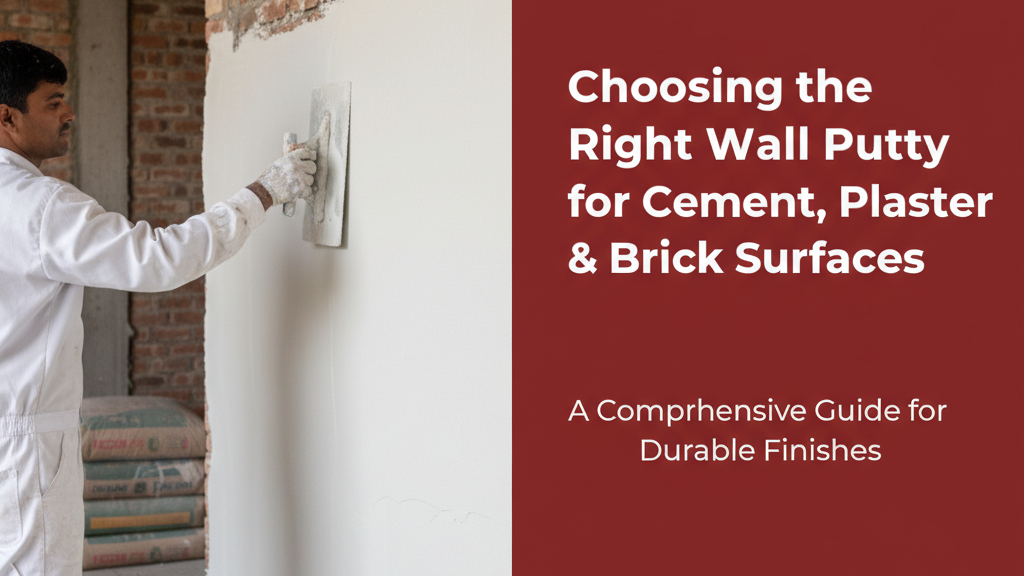

Introduction to WPC Frames in Renovations
Wood Plastic Composite (WPC) frames have become a popular choice for renovation projects across India due to their durability, moisture resistance, and low-maintenance properties. Unlike traditional wood or aluminium frames, WPC combines wood fibres with thermoplastic materials to create a stable, weather-resistant framing solution ideal for Indian climates—especially in humid regions or areas with heavy monsoon rains.
Benefits of Using WPC Frames
WPC frames offer distinct advantages for renovation projects:
- Moisture resistance: Unlike wood, WPC won’t warp, rot, or swell in high humidity or heavy rainfall.
- Termite-proof: The composite material resists pests, eliminating concerns about infestation common with wooden frames.
- Low maintenance: Requires no painting or varnishing—occasional cleaning with mild soap suffices.
- Thermal insulation: Performs better than metal frames in reducing heat transfer, improving energy efficiency.
- Eco-friendly: Often made with recycled materials, reducing environmental impact.
Pre-Installation Considerations
Before installing WPC frames:
- Assess the structural integrity of walls or existing frames—ensure surfaces can support the new installation.
- Check for water leakage points or damp patches, especially in older buildings.
- Measure openings accurately, accounting for expansion gaps (typically 5–8 mm per metre) to accommodate thermal movement.
- Verify local building codes or housing society guidelines for frame material restrictions.
Tools and Materials Needed
For a smooth installation:
- Tools: Measuring tape, spirit level, power drill, saw (fine-toothed for clean cuts), screwdriver, rubber mallet, clamps.
- Materials: WPC frame profiles (pre-cut or in lengths), stainless steel screws (rust-proof), silicone sealant, shims, corner brackets, insulation foam (if needed).
Step-by-Step Installation Guide
Preparing the Surface
Remove old frames or trim, cleaning debris thoroughly. Repair cracks or uneven surfaces with cement putty or filler. Apply a waterproofing membrane if moisture issues exist.
Measuring and Cutting WPC Frames
Measure twice—account for reveals (the space between frame and wall). Use a mitre box or precision saw for 45° corner cuts. Sand edges lightly for smooth joints.
Securing the Frames
Fix the frame loosely with screws first, checking alignment with a spirit level. Shim gaps evenly before final tightening. Avoid over-tightening to prevent distortion.
Finishing Touches
Seal perimeter gaps with silicone sealant (UV-resistant grade for exteriors). Install weatherstripping for improved insulation. Wipe frames with a damp cloth to remove dust.
Common Mistakes to Avoid
- Inadequate expansion gaps: WPC expands slightly in heat—omitting gaps causes buckling.
- Improper sealing: Unsealed edges allow water seepage, compromising walls over time.
- Using incorrect fasteners: Standard screws may corrode; opt for stainless steel or coated variants.
- Ignoring level checks: Uneven frames affect door/window operation and aesthetics.
Maintenance Tips for Longevity
Maximise the lifespan of WPC frames:
- Clean monthly with mild detergent and soft cloth; avoid abrasive cleaners.
- Inspect sealant annually—reapply if cracked or peeling.
- Clear drainage channels (if present) to prevent water pooling.
- Check screw tightness post-monsoon; retighten if loose.
Conclusion
WPC frames streamline renovations by combining durability with ease of installation. Their resistance to India’s climatic challenges—humidity, termites, and temperature fluctuations—makes them a practical alternative to conventional materials. While DIY installation is feasible, consulting a professional ensures optimal fit and performance, especially for complex projects or heritage structures requiring nuanced handling.