
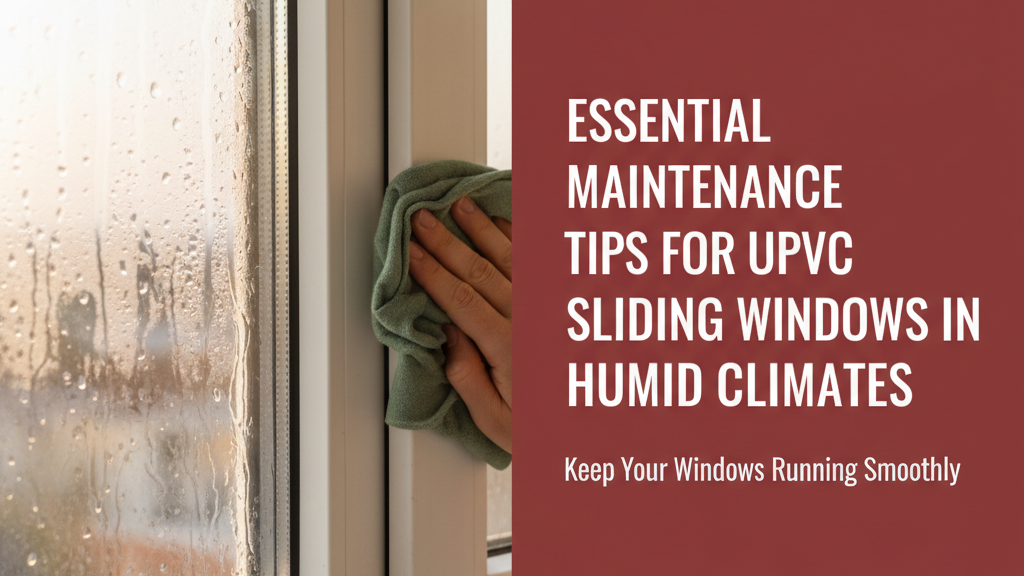
Introduction to uPVC Sliding Windows in Humid Climates
uPVC sliding windows are a popular choice for Indian homes due to their durability, thermal insulation, and resistance to corrosion. However, in humid climates—common in coastal regions or during monsoon seasons—uPVC windows require specific maintenance to prevent issues like sticking tracks, mould growth, and seal deterioration. With proper care, your sliding windows can maintain smooth operation and aesthetics for years.
Why Humidity Affects uPVC Sliding Windows
High humidity accelerates dust accumulation in window tracks, promotes mould on frames, and weakens rubber seals over time. The sliding mechanism is particularly susceptible to grime build-up, which may cause friction or jammed panels. Understanding these risks helps in planning preventive maintenance.
Regular Cleaning Techniques
A simple monthly cleaning routine prevents most humidity-related issues. Focus on these key areas:
Cleaning the Tracks
Dirt and moisture in the sliding tracks are primary causes of stiff operation:
- Use a soft brush or vacuum to remove loose debris.
- Wipe with a damp microfiber cloth and mild detergent (avoid abrasive cleaners).
- For stubborn grime, use a cotton bud to clean track corners.
Wiping Down the Frames
uPVC frames resist moisture but may develop surface stains in humid weather:
- Clean frames with lukewarm water and pH-neutral soap.
- Immediately dry with a soft cloth to prevent water spots.
- Never use bleach or solvents that may damage the uPVC surface.
Lubrication for Smooth Operation
After cleaning, apply a silicone-based lubricant (not oil-based) to the tracks and rollers every 3–4 months. This prevents squeaking and ensures effortless sliding even during high-humidity months.
Checking and Replacing Seals
uPVC windows typically use EPDM rubber seals that guard against drafts and water leakage. Inspect seals seasonally:
- Look for cracks, shrinkage, or loss of elasticity.
- Clean them with a damp cloth to remove mould spores.
- Replace if gaps appear—a compromised seal reduces energy efficiency.
Preventing Mold and Mildew Build-up
Humidity above 60% encourages fungal growth. Counteract this with two approaches:
Using Anti-Mould Sprays
For existing mould, use a diluted vinegar solution or commercial uPVC-safe mould remover. Spray lightly on affected areas, wait 5 minutes, then wipe clean. Never scrape mould, as this may scratch the uPVC.
Ensuring Proper Ventilation
Even with sliding windows closed, ensure cross-ventilation through other openings. Use exhaust fans in kitchens/bathrooms to reduce indoor humidity levels below 55% where possible.
Seasonal Maintenance Checklist
Adapt your routine to weather changes:
- Pre-monsoon: Deep-clean tracks, check drainage holes, reapply lubricant.
- Post-monsoon: Inspect for water damage, reseal if necessary.
- Winter: Verify seals to prevent cold drafts.
When to Call a Professional
Seek expert help if you notice:
- Persistent jamming despite cleaning and lubrication
- Visible frame warping or gaps between panels
- Condensation between double-glazed panes (indicating seal failure)
Conclusion: Keeping Your uPVC Windows in Top Condition
In humid climates, proactive care of uPVC sliding windows extends their lifespan and performance. Simple habits—regular cleaning, timely lubrication, and seal inspections—can prevent costly repairs. By understanding how humidity interacts with uPVC components, homeowners can maintain effortless operation and clear views year-round.