Introduction to Irrigation Methods
For Indian farmers, choosing an efficient irrigation system is vital for crop health and resource management. While traditional flood irrigation has been the default method for generations, modern drip irrigation offers precision watering with potential water and cost savings. This analysis compares both approaches to help farmers make informed decisions.
Understanding Drip Irrigation
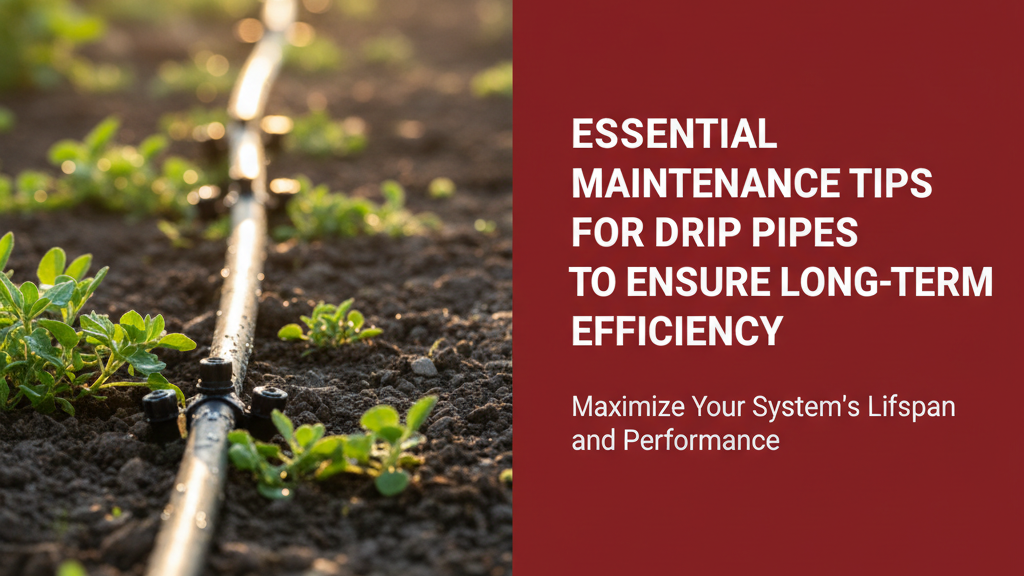
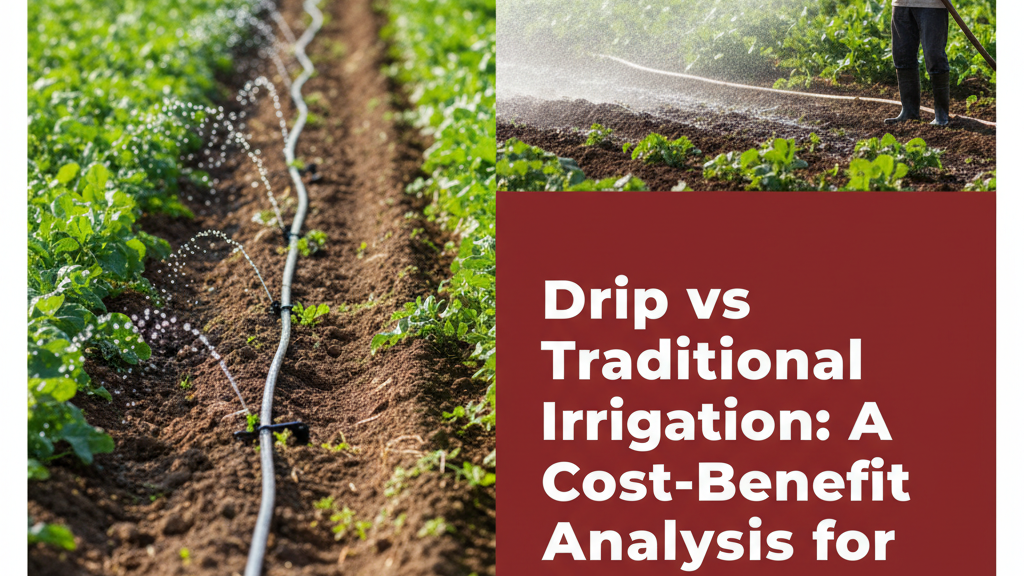
Drip irrigation delivers water directly to plant roots through a network of valves, pipes, tubing, and emitters. This method provides several advantages:
- Targeted water application reduces evaporation loss by up to 70% compared to surface methods
- Works effectively on uneven terrain where flood irrigation struggles
- Allows fertigation (combined fertiliser/water application) for nutrient efficiency
- Typical water savings of 30-50% in field crops like cotton or sugarcane
Modern drip systems use HDPE laterals with pressure-compensating emitters that maintain flow rates across slopes—a valuable feature for India’s varied topography.
How Traditional Irrigation Works
Traditional methods like flood or furrow irrigation rely on surface water distribution:
- Flood irrigation submerges fields completely, requiring flat land and heavy water volumes (typically 2–3 times crop needs)
- Furrow irrigation channels water between crop rows, losing 35–50% to percolation and runoff
- Common in rice paddies and wheat fields where standing water is tolerable
These systems have higher evaporation losses—particularly problematic in India’s arid regions where temperatures exceed 40°C for months.
Cost Comparison: Drip vs Traditional Irrigation
| Cost Factor | Drip Irrigation | Traditional Irrigation |
|---|---|---|
| Initial setup (per acre) | ₹35,000–₹75,000 | ₹5,000–₹15,000 |
| Annual maintenance | 5–8% of setup cost | 2–3% of setup cost |
| Water consumption (seasonal) | 18–25 lakh litres | 45–60 lakh litres |
| Labour hours/acre/month | 8–12 | 25–40 |
Note: Costs vary by crop type, terrain, and local water/electricity tariffs. Drip systems show higher upfront investment but operational savings accrue over 3–5 years.
Water Efficiency: Analysing Usage Rates
Drip irrigation achieves 80–90% application efficiency versus 40–60% for traditional methods. Key factors:
- Evaporation control: Underground or mulch-covered drippers lose under 5% water vs 30%+ in open channels
- Reduced runoff: Emitters apply water at soil infiltration rates (2–20 litres/hour), preventing loss to drainage
- Precision scheduling: Automated timers enable night watering when evaporation is lowest
For water-scarce regions like Rajasthan or Maharashtra, these efficiencies can make cultivation viable where tanker-dependent farming is unsustainable.
Labour and Maintenance Costs
While drip systems reduce daily labour needs, they demand specialised maintenance:
- Traditional systems: Require frequent channel cleaning and manual water diversion but use simpler infrastructure
- Drip systems: Need periodic filter cleaning (weekly during peak use), emitter inspections, and pipeline flushing to prevent clogging from sediments or algae
Farmers report 60–70% lower labour costs with drip irrigation over 5 years, despite higher technical maintenance needs.
Long-term Benefits and ROI
The return on investment for drip irrigation typically appears within 2–4 harvest cycles through:
- Increased yields (15–30% for vegetables, 10–20% for field crops) from optimised soil moisture
- Reduced fertiliser costs (20–40% savings) via precise fertigation
- Lower energy expenses—drip systems often operate at 1–2.5 bar pressure vs 3–5 bar for sprinklers
Government subsidies (up to 90% for small farmers under PMKSY) can further improve ROI timelines.
Environmental Impact Assessment
Beyond water conservation, drip irrigation mitigates several agricultural challenges:
- Soil health: Minimises topsoil erosion and nutrient leaching common in flood irrigation
- Salinity control: Frequent, low-volume watering prevents salt accumulation in root zones
- Energy use: Cuts pumping requirements by 30–50% compared to flood systems
However, plastic pipe disposal remains an environmental consideration—quality HDPE systems should last 10–15 years to offset manufacturing impacts.
Choosing the Right System for Your Farm
Consider these factors when selecting an irrigation method:
- Crop type: Drip excels for orchards, vegetables, and spaced row crops; flood may suit rice or closely planted cereals
- Water source: Drip is ideal for limited or high-value water (tanker-supplied, groundwater)
- Labour availability: Drip reduces dependence on scarce agricultural labour
- Land slope: Drip handles gradients up to 15% without terraces
Conclusion: Making an Informed Decision
While traditional irrigation has lower initial costs, drip systems offer compelling long-term advantages for most Indian farming scenarios. The decision ultimately depends on crop patterns, water availability, and willingness to invest in sustainable practices. With careful planning and available subsidies, farmers can transition efficiently to maximise both productivity and resource conservation.