Understanding Green Nets and Their Benefits
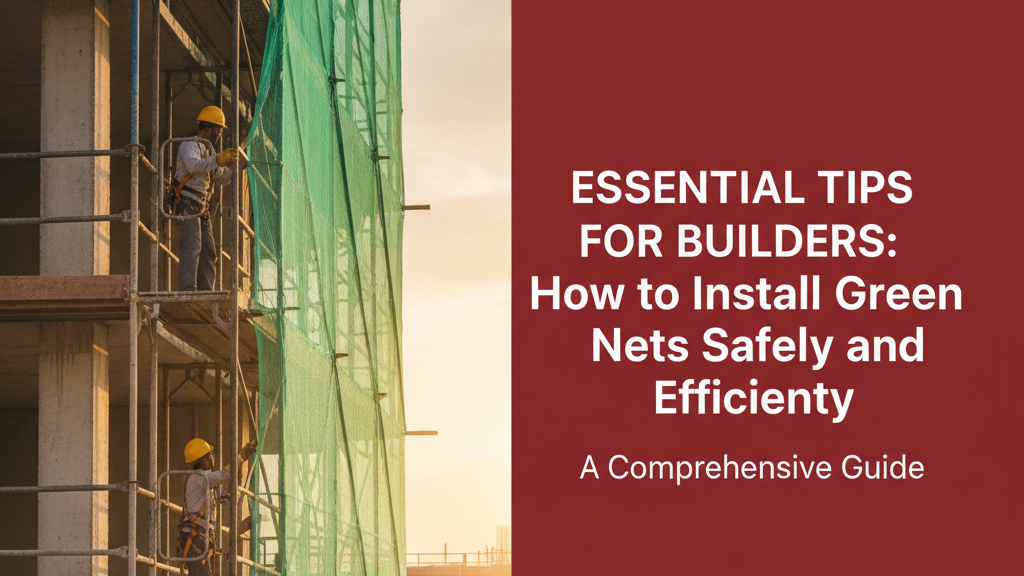
Green nets, also known as construction safety nets, have become essential for modern building sites across India. These high-density polyethylene (HDPE) mesh systems serve dual purposes:
- Fall protection: Catches workers or tools from heights exceeding 2 metres
- Debris containment: Prevents construction materials from scattering beyond site boundaries
Particularly useful in urban areas, green nets reduce dust propagation by up to 70% while maintaining airflow – a critical advantage during India’s hot seasons.
Pre-Installation Planning and Site Assessment
Proper planning prevents common installation challenges:
- Measure the perimeter where nets will be installed, accounting for at least 10% extra material for tensioning
- Identify anchor points on the building structure (minimum 50mm diameter steel supports recommended)
- Check for overhead obstructions like cranes or scaffolding that might interfere with net deployment
- Assess wind patterns – coastal sites may require reinforced edge binding
Choosing the Right Green Net for Your Project
| Net Type | Mesh Size | Best For |
|---|---|---|
| Standard Debris | 10mm×10mm | Low-rise residential (G+3) |
| Heavy-Duty | 6mm×6mm | High-rises & commercial projects |
| UV-Stabilised | 8mm×8mm | Long-duration projects (18+ months) |
For monsoon-prone areas, select nets with at least 1800D denier strength and colour-fast dyes that won’t bleed during heavy rains.
Step-by-Step Installation Guide
- Anchor preparation: Secure J-hooks or eye bolts at 1.5m intervals along the structure
- Edge reinforcement: Double-stitch nylon rope along all four sides (minimum 6mm thickness)
- Vertical hanging: Begin from topmost anchor points, maintaining ≤30° angle from vertical
- Tensioning: Use turnbuckles to eliminate sagging while allowing 10-15% stretch capacity
- Overlap joining: Minimum 300mm overlap when connecting multiple nets with carabiners
Always install nets before beginning work at height – never retrofit them to ongoing projects.
Safety Measures During Installation
- Workers must wear full-body harnesses when installing nets above 2m
- Use tag lines to control net positioning during windy conditions
- Inspect all metal fittings for rust before installation – replace any compromised components
- Maintain 1m clearance between net and building facade to prevent abrasion
- Display warning signs indicating maximum load capacity (typically 100kg/m²)
Maintenance Tips for Longevity
Extend your green nets’ 3-5 year lifespan with these practices:
- Monthly inspections for UV degradation (look for colour fading or brittle fibres)
- Promptly repair small tears with nylon thread before they propagate
- Clean monthly with low-pressure water (≤5 bar) to remove concrete dust accumulation
- Store removed nets folded – never rolled – to prevent permanent creasing
Common Mistakes to Avoid
- Over-tensioning: Causes premature tearing at anchor points
- Improper overlap: Gaps between nets compromise containment
- Wrong mesh size: Smaller debris falls through oversized meshes
- Neglecting drainage: Pooled water adds dangerous weight
- Using damaged nets: Compromised strength risks catastrophic failure
FAQs About Green Net Installation
Q: Can green nets be reused across multiple projects?
A: Yes, provided they pass inspection for UV damage and tensile strength. Most quality nets withstand 2-3 redeployments.
Q: How often should tension be checked after installation?
A: Weekly for the first month, then monthly thereafter. Wind and temperature changes affect tension.
Q: Do green nets meet Indian safety standards?
A: Quality nets comply with IS 15658:2006 for construction safety netting systems.