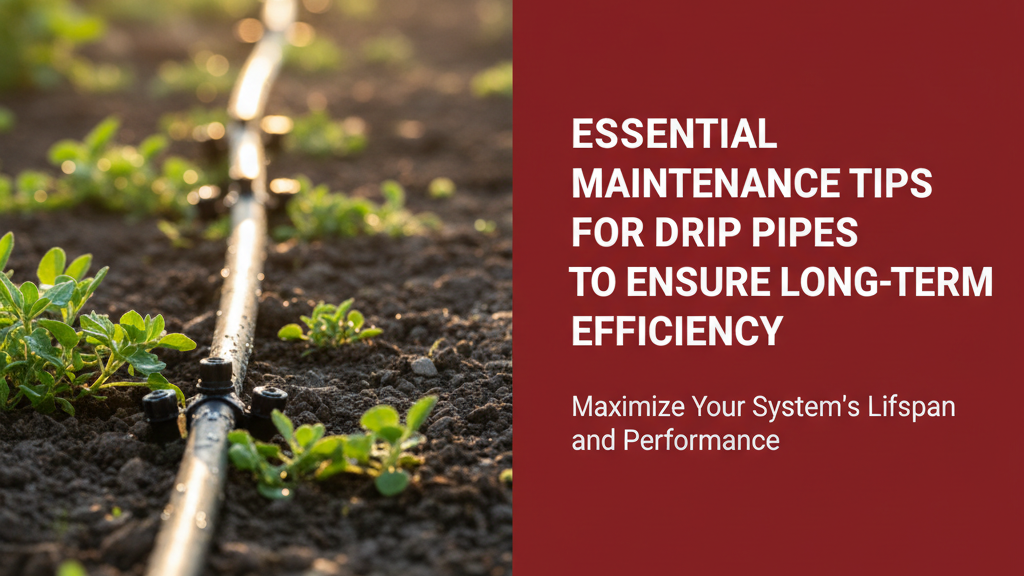
Introduction to Drip Pipe Maintenance
Drip irrigation systems offer water efficiency and targeted delivery, but their performance relies heavily on proper maintenance. Unlike conventional piping, drip pipes have smaller diameters and emitters that are prone to clogging from sediment, mineral deposits, or organic matter. Regular upkeep prevents reduced flow rates, uneven water distribution, and premature system failure—common issues in India’s dusty, high-mineral water conditions.
Why Regular Maintenance is Crucial for Drip Pipes
Neglected drip systems can lose up to 30–50% efficiency within a single season due to:
- Emitter clogging: Calcium deposits or silt block 0.5–1.2 mm emitter holes
- UV degradation: HDPE pipes exposed to direct sunlight may develop micro-cracks
- Pressure fluctuations: Unchecked variations (0.8–2.5 bar ideal range) cause uneven watering
- Rodent damage: Common in rural installations where pipes are ground-level
A well-maintained system typically lasts 7–12 years versus 3–5 years without care.
Step-by-Step Guide to Maintaining Drip Pipes
Inspecting for Leaks and Blockages
Monthly visual checks should cover:
- Joint integrity (look for water pooling or soil erosion near connections)
- Emitter flow consistency (compare multiple emitters’ output)
- Pipe surface for cuts, chew marks, or UV discolouration
Cleaning and Flushing the System
Flush quarterly using this sequence:
- Remove end caps and open flush valves
- Run water at 1.5× normal pressure for 5–10 minutes
- For mineral deposits, use diluted vinegar (1:4 ratio) or citric acid solutions
- Scrub stubborn emitters with a soft brush (avoid metal tools)
Checking Water Pressure and Flow Rate
Use a simple bucket test:
- Measure water collected from 5 emitters in 1 minute
- Compare against manufacturer’s rated flow (typically 2–8 litres/hour)
- Adjust pressure regulator if variance exceeds 15%
Common Issues and How to Troubleshoot Them
| Problem | Likely Cause | Solution |
|---|---|---|
| Low emitter output | Partial clogging, low pressure | Flush system, check filters |
| Puddles near pipes | Joint leaks, pipe damage | Replace gaskets or affected section |
| Uneven watering | Pressure imbalance, slope issues | Install pressure compensators |
Seasonal Maintenance Tips for Drip Pipes
Pre-monsoon (April–May):
- Clear algae from pipes using hydrogen peroxide (3% solution)
- Secure above-ground pipes against wind displacement
Post-monsoon (October–November):
- Inspect for soil sedimentation around buried pipes
- Check rodent activity near storage areas
Winter (December–January):
- Drain systems in frost-prone regions (North India)
- Store portable drip lines indoors
Tools and Products for Effective Drip Pipe Maintenance
- Pressure gauge: 0–4 bar range for accuracy
- Pipe cutter: Clean cuts prevent joint failures
- Emitter tool: For removing/replacing clogged emitters
- Soluble fertiliser injectors: Prevent chemical residue buildup
Note: Always use ISI-marked replacement parts compatible with your pipe diameter (12 mm, 16 mm, or 20 mm).
Conclusion: Maximising Efficiency with Proper Care
Consistent drip pipe maintenance preserves water efficiency, reduces repair costs, and extends system lifespan. By combining quarterly flushing with seasonal adjustments and prompt troubleshooting, users can maintain 85–90% of original flow rates even after years of operation. Documenting maintenance activities helps identify recurring issues for long-term improvements.