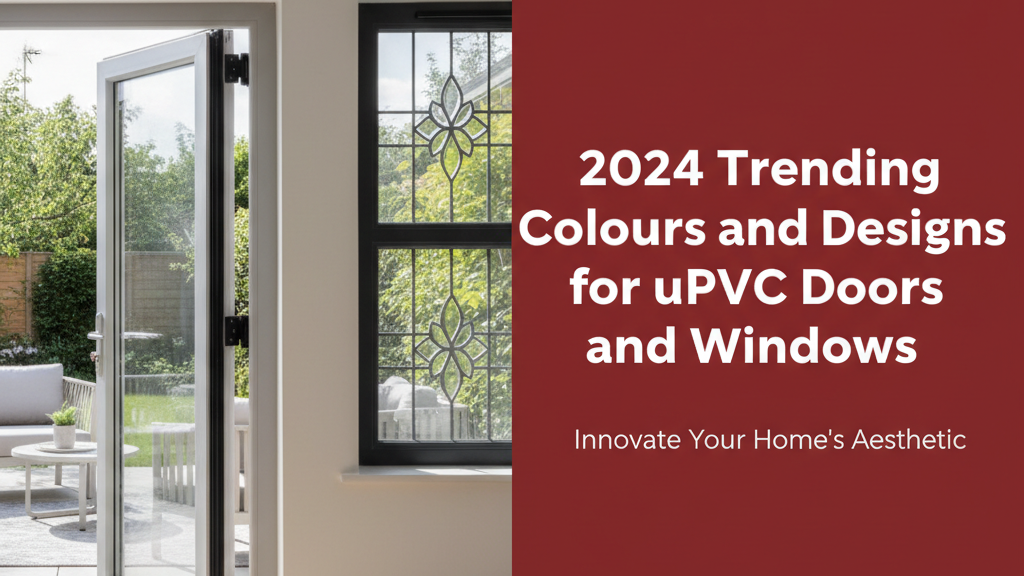
As we step into 2024, homeowners and architects are embracing fresh aesthetics for uPVC doors and windows that blend functionality with modern design sensibilities. The latest trends showcase a thoughtful balance between timeless neutrals, expressive colours, and innovative textures—all while maintaining the durability and weather resistance that make uPVC a preferred choice across Indian homes.
Popular Colours for uPVC Doors and Windows
Colour selection plays a pivotal role in defining your home’s character. This year’s palette ranges from understated classics to vibrant tones that complement contemporary façades.
Classic Neutrals
Timeless shades like pearl white, warm beige, and slate grey remain popular for their versatility. These hues:
- Pair effortlessly with brick, stucco, or stone exteriors
- Maintain a clean appearance by showing less dust accumulation
- Help reflect sunlight, reducing heat absorption in warmer climates
Bold Statement Hues
For those seeking distinction, 2024 sees growing interest in:
- Deep navy blue – complements modern minimalist homes
- Forest green – creates harmony with garden landscapes
- Matte black – offers striking contrast against light-coloured walls
These pigmented uPVC profiles use advanced colour-stable formulations to resist UV fading, even in high-sunlight regions.
Earthy Tones
Warm terracotta, ochre, and olive green are gaining traction as homeowners seek natural inspiration. These colours:
- Blend seamlessly with rural and suburban settings
- Create a welcoming aesthetic for traditional Indian homes
- Work particularly well with wood-effect finishes
Innovative Designs in uPVC Products
Beyond colour, manufacturers are introducing structural and textural innovations that elevate uPVC’s design potential.
Contemporary Sliding Designs
Space-saving sliding uPVC windows now feature:
- Narrower sightlines for maximised glass areas
- Multi-track systems allowing flexible panel configurations
- Integrated mosquito mesh within the frame profile
Bespoke Geometric Patterns
Custom grille designs enable:
- Art Deco-inspired angular patterns
- Traditional jali motifs reinterpreted in uPVC
- Asymmetric compositions for contemporary homes
Wood-Effect Finishes
Advanced texturing techniques now replicate:
- Teak wood grain with remarkable realism
- Oak and walnut textures in varied stain tones
- Matte varnished appearances without wood’s maintenance needs
Enhancing Curb Appeal with Modern uPVC
Strategic uPVC choices can transform your home’s exterior:
- Use contrasting window frames to highlight architectural features
- Match door colours to your boundary wall or gate for cohesion
- Consider the roof colour when selecting window shades
Factors to Consider When Choosing Colours and Designs
Selecting uPVC finishes requires practical considerations:
| Factor | Guidance |
|---|---|
| Climate | Lighter colours perform better in hot regions; textured finishes hide dust in dry areas |
| Architectural style | Traditional homes suit wood effects; contemporary designs allow bolder colours |
| Maintenance | Matte finishes show fewer watermarks than glossy options |
| Lighting | North-facing rooms benefit from warm tones; south-facing spaces can handle cooler hues |
Maintaining Your uPVC Doors and Windows
Preserve your uPVC’s appearance with simple care:
- Clean monthly with mild soap solution and soft cloth
- Inspect weather seals annually for optimal performance
- Avoid abrasive cleaners that could dull textured finishes
- Wipe condensation-prone areas to prevent water staining
FAQs on uPVC Colours and Designs
Can uPVC window colours be changed after installation?
While uPVC profiles are factory-coloured for longevity, some manufacturers offer recoating services using specialised paints formulated for uPVC adhesion.
Do darker uPVC colours fade faster?
Premium uPVC formulations incorporate UV stabilisers that maintain colour integrity across shades, though extremely dark tones may show slight fading over 10+ years in intense sunlight.
Are wood-effect uPVC windows more expensive?
Textured finishes typically command a 10-15% premium over standard colours due to the additional manufacturing processes involved.
How do I coordinate uPVC colours with my interior design?
Consider carrying through exterior frame colours to interior trims, or select complementary neutral interiors if using bold external shades.